Why Do Truck Crashes Differ from Regular Car Accidents?
Truck accidents stand out from typical car crashes because of their scale, regulations, and consequences. In Joliet, Illinois, these incidents often occur on busy highways like I-80 or I-55, where large commercial vehicles mix with everyday traffic. The unique challenges make expert legal guidance crucial. A Joliet accident lawyer brings the specialized knowledge needed to handle them effectively.
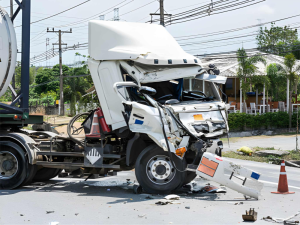
These crashes result in severe injuries and significant property damage. Understanding why a Joliet truck accident lawyer is vital starts with recognizing the key differences from standard auto accidents.
Physics of Impact: A semi’s kinetic energy is far greater. For example, at 60 mph, a fully loaded big rig carries enough force to demolish multiple cars.
Blind Spots and Size: Commercial vehicles have large no-zones, making it hard for drivers to see smaller vehicles.
Cargo and Load Issues: Improperly secured loads can shift, causing rollovers or debris hazards.
Unlike car cases, these incidents trigger federal oversight through the FMCSA and Department of Transportation (DOT) rules. State laws in Illinois add layers, such as those from the Illinois Vehicle Code.
What Makes Truck vs. Car Accidents So Different?
This table compares key factors, showing why cases demand deeper analysis and specialized expertise from a Joliet accident lawyer.
| Factor | Car Accidents | Truck Accidents |
| Vehicle Weight | Lighter | Much heavier |
| Regulations | Mostly state | Federal + state (FMCSA, DOT) |
| Parties Involved | 1-2 drivers | Driver, company, manufacturer, insurer |
| Average Settlement | Lower than trucks | Higher due to severity |
| Investigation Time | Weeks | Months (black box data, logs) |
What Causes Most Truck Accidents in Joliet?
Joliet’s location near major interstates increases crash risks. Local factors like construction zones, weather, and high traffic volumes play roles. Driver error and systemic issues contribute.
- Driver Fatigue: Hours-of-service rules limit driving to 11 hours after 10 off-duty, yet violations persist. Drowsy driving mimics drunk driving impairment.
- Distracted Operation: Phones, GPS, or eating divert attention. Illinois bans handheld devices for commercial drivers.
- Speeding and Braking Issues: Big rigs need up to 40% more distance to stop than cars.
- Maintenance Failures: Brake defects or tire blowouts from skipped inspections.
- Pressure from Carriers: Companies push tight schedules, leading to reckless behaviour.
In Joliet, weather like snow on I-80 exacerbates these. A Joliet accident lawyer investigates logs, telematics, and witness statements to pinpoint causes.
Why Do Federal and State Regulations Complicate These Cases?
Commercial vehicles fall under the Federal Motor Carrier Safety Regulations (FMCSRs), which cover everything from driver qualifications to vehicle standards. Illinois enforces these alongside state rules, creating a web of compliance requirements.
Electronic Logging Devices (ELDs) track hours, but data access requires subpoenas. Black boxes record speed, braking, and seatbelt use, providing critical evidence. Insurance minimums are substantial, leading to fierce disputes.
Violations like improper loads or unqualified drivers open doors to liability. A accident lawyer deciphers these regs, as general attorneys might overlook them.
Proving negligence involves:
- Reviewing driver logs for fatigue.
- Inspecting maintenance records.
- Analysing cargo securement per FMCSR 393.
- Checking company safety ratings via FMCSA’s SMS system.
Without this expertise, victims risk undervalued claims.
Who Is Liable in a Truck Accident?
Car crashes typically involve two drivers. These cases pull in layers of responsibility.
- The Driver: Personal fault like speeding.
- Trucking Company: Vicarious liability under respondeat superior if the driver was on duty.
- Cargo Loaders: Faulty securing.
- Manufacturers: Defective parts, like faulty brakes.
- Government Entities: Poor road maintenance on state highways.
Illinois follows modified comparative negligence (51% bar rule). If you’re 50% at fault, you recover; over 51%, nothing. A Joliet truck accident lawyer apportions blame accurately.
Consider a chain: A fatigued driver (30% fault), negligent company (40%), bad tires from manufacturer (30%). Sorting this demands legal skill.
How Do Insurers Challenge Truck Accident Claims?
It insurers employ teams to minimize payouts. They use tactics like blaming victims or disputing damages. Minimum coverage seems high, but policies exclude certain claims.
Common denials include:
- “Sudden emergency” defences.
- Questioning injury severity without medical experts.
- Delaying to pressure settlements.
A Joliet accident lawyer counters with demand letters, depositions, and negotiations. They know fair values for injuries like spinal damage or wrongful death.
What Happens During a Truck Accident Investigation?
Evidence vanishes quickly. Spoliation (destroying records) is common. Prompt action preserves:
- Event data recorders (EDRs).
- Dashcam footage.
- Witness contacts.
- Scene photos before cleanup.
Experts like accident reconstructionist model crashes using physics software. Biomechanical engineers assess injuries. Costs add up, but contingency fees mean no upfront payment.
In Joliet, local knowledge of venues like the Will County Courthouse aids filings. Statute of limitations: two years from injury date.
What Compensation Can You Recover?
Victims seek economic and non-economic damages.
| Compensation Type | Examples | Notes |
| Medical | Hospital, therapy | Covers ongoing care |
| Lost Income | Wages, benefits | Includes future earnings |
| Pain/Suffering | Chronic pain | For quality-of-life impact |
| Punitive | Reckless conduct | For egregious acts, capped in IL |
A Joliet accident lawyer maximizes these through evidence.
When Should You Hire a Joliet Truck Accident Lawyer?
Seek one immediately after a crash. Signs include severe injuries, disputes, or multiple parties. They handle medical liens, coordinate experts, and file suits.
Benefits include higher settlements and stress reduction. Joliet firms understand local courts and judges.
Steps to choose:
- Check experience in cases.
- Review FMCSA knowledge.
- Ask about trial record.
- Ensure free consultations.
Start Your Recovery with an Experienced Joliet Truck Accident Lawyer
Truck accidents in Joliet present unique hurdles from federal regulations and multi-party liability that overwhelm standard legal approaches. Specialized knowledge ensures thorough investigations, fair blame assignment, and maximum compensation for injuries and losses. Victims gain the best outcomes by engaging a Joliet truck accident lawyer early, turning complex cases into pathways for recovery and justice. Contact us today for a free consultation.
FAQs
What qualifies as medical malpractice in Joliet, IL?
Medical malpractice in Joliet involves a healthcare provider breaching the standard of care, directly causing injury. This includes surgical errors, misdiagnoses, or medication mistakes. Illinois courts require proof of duty, breach, causation, and damages to proceed with a claim.
How long does case evaluation take with a medical malpractice lawyer Joliet IL?
Evaluation typically spans 1-3 months, depending on record complexity and expert availability. Initial reviews happen in days, but full assessments need expert input. Prompt document submission speeds the process.
Do I need expert testimony to evaluate my case?
Yes, experts are essential for validating breach and causation. A medical malpractice lawyer Joliet secures them early to confirm if standards were met. Their reports guide whether to file formally.
Can pre-existing conditions affect my malpractice claim?
Pre-existing issues can complicate claims, but lawyers differentiate error impacts. Experts use records to show how negligence worsened outcomes. Strong causation proof overcomes these challenges.
What should I bring to my first meeting with a lawyer?
Bring all medical records, timelines, bills, photos of injuries, and witness contacts. A detailed event chronology helps. This allows for a thorough initial review without delays.