
A fall on commercial property can lead to far more than temporary pain or inconvenience. Many injury victims face medical bills, missed work, physical therapy, and long recovery periods after slipping or tripping in a public place. These accidents commonly happen in grocery stores, shopping centers, office buildings, restaurants, parking lots, and apartment complexes.
When a fall occurs, one of the first questions people ask is who is legally responsible for the injuries. In many situations, liability depends on whether the property owner, business operator, or another party failed to maintain safe conditions. Premises liability law allows injured individuals to seek compensation when negligence contributes to an unsafe environment.
Understanding how liability works after a commercial property accident can help victims protect their legal rights and make informed decisions.
What Is a Commercial Property Slip and Fall Accident
A commercial property accident occurs when someone is injured on property used for business purposes. These cases usually involve premises liability laws, which require property owners and businesses to take reasonable steps to keep visitors safe.
Commercial property accidents may happen in:
- Retail stores
- Restaurants
- Hotels
- Office buildings
- Shopping malls
- Parking garages
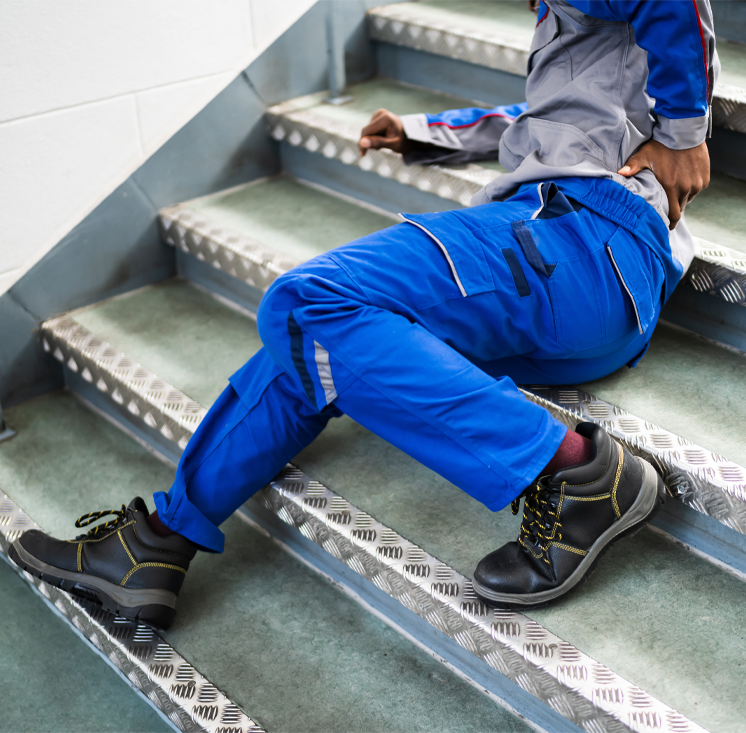
In many cases, falls are caused by hazardous conditions that were not repaired or properly addressed. Wet floors, broken stairs, uneven pavement, poor lighting, and loose flooring are some of the most common causes of slip and fall injuries.
Who Can Be Held Responsible for a Fall on Commercial Property
Liability is not always limited to one person or business. Depending on the situation, several parties may share responsibility for maintaining the property.
Is the Property Owner Always Responsible
Property owners are often responsible for keeping their premises reasonably safe for visitors. This includes performing inspections, repairing hazards, and warning people about dangerous conditions when repairs cannot be made immediately.
However, ownership alone does not automatically create liability. The injured person usually must show that the owner knew or should have known about the hazard and failed to act within a reasonable timeframe.
For example, a property owner may be liable if:
- A broken staircase remained unrepaired for weeks
- Poor lighting created unsafe walking conditions
- Ice or water hazards were ignored
- Damaged sidewalks caused visitors to trip
A slip and fall accident lawyer may investigate inspection records, maintenance logs, and witness statements to determine whether negligence occurred.
Can a Business Tenant Be Responsible Instead
In some commercial buildings, the business leasing the property is responsible for maintenance inside the premises. Liability often depends on lease agreements and the area where the accident happened.
For example, a grocery store may be responsible for spills inside the store, while the building owner may remain responsible for parking lot maintenance or exterior walkways.
| Accident Location | Potentially Responsible Party |
|---|---|
| Wet grocery store aisle | Store operator |
| Broken parking lot pavement | Property owner |
| Unsafe restaurant flooring | Restaurant tenant |
| Damaged stairwell in office building | Owner or management company |
| Slippery entryway | Business tenant or cleaning contractor |
Determining responsibility may require reviewing contracts, maintenance responsibilities, and inspection procedures.
How Does Premises Liability Law Apply
Premises liability law requires commercial property owners and operators to maintain reasonably safe conditions for lawful visitors. Businesses that invite customers onto their property generally owe a duty of care to inspect for hazards and correct dangerous conditions.
This duty may include:
- Inspecting walkways regularly
- Repairing unsafe conditions promptly
- Placing warning signs near temporary hazards
- Maintaining lighting and stairways
- Addressing weather-related dangers
If a business or property owner fails to meet these responsibilities, they may be liable for injuries caused by unsafe conditions.
More information about premises liability matters can also be found through RCK Law Firm.
What Must Be Proven in a Slip and Fall Claim
A fall alone does not automatically create a valid injury claim. The injured person typically needs to prove that negligence contributed to the accident.
Did a Dangerous Condition Exist
The first step in many cases is showing that a hazardous condition was present on the property. Common examples include wet floors, uneven sidewalks, damaged carpeting, loose handrails, or poor lighting.
Evidence often used to prove dangerous conditions includes:
- Accident scene photographs
- Surveillance footage
- Witness statements
- Maintenance records
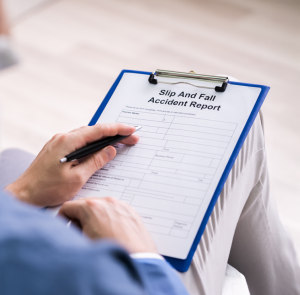
- Incident reports
The stronger the evidence, the easier it may be to establish liability.
Did the Business Know About the Hazard
One of the most important issues in a premises liability case is whether the property owner or business knew about the danger.
Courts may consider:
- How long the hazard existed
- Whether inspections were conducted regularly
- If previous complaints were made
- Whether employees ignored the condition
For example, if a spill remained on a store floor for several hours without cleanup or warning signs, the business could potentially be held responsible for resulting injuries.
Why Are Commercial Property Injury Claims Often Disputed
Insurance companies frequently challenge slip and fall claims. Businesses and insurers may argue that the injured person caused the accident or that the hazard was obvious.
Some common defenses include claims that:
- The victim was distracted
- Proper warning signs were posted
- Unsafe footwear contributed to the fall
- The condition was open and obvious
- Injuries existed before the accident
Because these disputes are common, evidence collection immediately after the accident is often extremely important.
What Injuries Commonly Result From Slip and Fall Accidents
Falls on commercial property can cause serious physical injuries, especially for older adults.
Common injuries include fractures, spinal injuries, knee damage, concussions, and traumatic brain injuries. Some people also suffer long-term mobility limitations that require rehabilitation or ongoing treatment.
In severe cases, victims may experience:
- Chronic pain
- Reduced ability to work
- Permanent disability
- Emotional distress
- Long-term medical complications
The financial impact of these injuries can become significant over time.
What Should You Do After Falling on Commercial Property
The steps taken after an accident can affect both medical recovery and any future legal claim.
Important Actions After a Fall
After a slip and fall accident, injury victims should:
- Seek medical attention immediately
- Report the accident to management
- Take photographs of the hazard
- Collect witness contact information
- Save medical records and receipts
- Avoid discussing fault with insurers
Medical documentation is especially important because it helps connect the injuries directly to the accident.
Can Multiple Parties Share Liability
Yes. Some commercial property accidents involve several potentially responsible parties.
For example, a cleaning company may fail to place warning signs after mopping a floor, while the property owner may have ignored previous complaints about unsafe flooring. In these situations, liability may be shared among different parties.
Potentially responsible parties may include:
- Property owners
- Business tenants
- Property management companies
- Cleaning contractors
- Maintenance companies
- Construction contractors
An investigation is often necessary to determine who controlled the area where the accident occurred.
What Compensation May Be Available After a Fall Accident
Compensation depends on the severity of the injuries and the financial losses connected to the accident.
| Type of Compensation | Examples |
|---|---|
| Medical expenses | Emergency treatment, surgery, therapy |
| Lost wages | Income lost during recovery |
| Future medical care | Rehabilitation and ongoing treatment |
| Pain and suffering | Physical and emotional impact |
| Reduced earning capacity | Long-term work limitations |
The value of a claim may increase when injuries require long-term care or significantly affect daily life.
When Should Someone Contact a Slip and Fall Lawyer
Not every fall requires legal action, but serious injuries or disputed claims may benefit from legal evaluation.
People often seek legal guidance when:
- Medical expenses are substantial
- Liability is unclear
- Insurance companies deny responsibility
- Evidence may disappear
- Long-term injuries are involved
A slip and fall claim lawyer may investigate maintenance records, surveillance footage, witness statements, and inspection reports to determine whether negligence occurred.
Additional legal information may also be available through this legal resource platform.
Key Takeaways
- Commercial property owners and businesses have a duty to maintain safe conditions for visitors.
- Liability depends on whether negligence contributed to the accident.
- Property owners, tenants, contractors, and management companies may all share responsibility.
- Evidence such as photographs, surveillance footage, and maintenance records can strengthen a claim.
- Serious slip and fall injuries may result in compensation for medical costs, lost income, and long-term treatment needs.
- Prompt medical care and early documentation are important after a commercial property accident.
FAQ
Who is responsible for injuries after a fall on commercial property?
Responsibility may belong to the property owner, business tenant, property manager, or another party responsible for maintaining safe conditions.
What is considered negligence in a slip and fall case?
Negligence generally involves failing to repair hazards, inspect the property, or warn visitors about dangerous conditions.
Can I file a claim if there was no warning sign?
Potentially, yes. A lack of warning signs may strengthen a premises liability claim if the hazard was not addressed properly.
How do lawyers prove fault in a commercial property fall case?
Lawyers often use surveillance footage, photographs, witness statements, inspection records, and maintenance logs to establish liability.
What damages can injury victims recover?
Compensation may include medical expenses, lost wages, rehabilitation costs, pain and suffering, and future medical care.
Do all commercial property injury claims go to court?
No. Many claims settle through negotiations with insurance companies before reaching trial.