
Property owners have a legal responsibility to maintain reasonably safe conditions for visitors, customers, tenants, and guests. When unsafe conditions lead to injuries, premises liability laws may allow victims to seek compensation for medical expenses, lost income, and other damages. However, property owners and insurance companies often try to reduce or avoid responsibility after an accident occurs.
Slip and falls, inadequate security incidents, unsafe parking lots, damaged walkways, and poorly maintained commercial spaces are among the most common situations that lead to premises liability claims. While injury victims may assume liability is straightforward, these cases are often heavily disputed. Insurance companies usually investigate accidents quickly and may attempt to challenge the victim’s version of events, the seriousness of the injuries, or the existence of the hazard itself.
Understanding how property owners defend against injury claims can help victims preserve evidence, protect their legal rights, and better understand the legal process after an accident.
What Is Premises Liability?
Premises liability refers to the legal obligation property owners and occupiers have to maintain safe conditions on their property. If a dangerous condition exists and causes harm to a lawful visitor, the owner or business operator may potentially be held responsible.
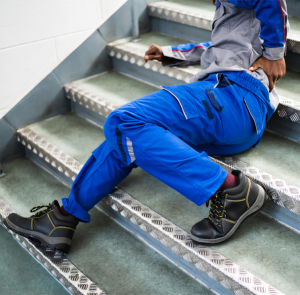
These accidents can happen in a variety of locations, including shopping centers, restaurants, hotels, apartment complexes, office buildings, grocery stores, and parking garages. Hazards may involve wet floors, broken staircases, uneven sidewalks, poor lighting, or unsafe entryways.
| Hazard Type | Example |
|---|---|
| Slip hazards | Wet floors or spills |
| Structural hazards | Broken stairs or loose railings |
| Poor maintenance | Damaged sidewalks or potholes |
| Inadequate lighting | Dark stairwells or parking lots |
| Negligent security | Lack of safety measures in high-risk areas |
Property owners are generally expected to inspect their property regularly and address dangerous conditions within a reasonable amount of time. Additional information about these legal matters can also be found through this premises liability resource.
Why Do Property Owners Often Deny Responsibility?
Premises liability claims can involve significant financial exposure, especially when injuries are severe or long-term medical treatment is required. Because of this, insurance companies and property owners frequently dispute claims rather than immediately accepting responsibility.
In many cases, the defense will argue that the accident could not have been prevented or that the injured person was responsible for their own injuries. Insurance adjusters may also try to minimize the seriousness of the injuries or suggest that medical conditions existed before the accident occurred.
These disputes are common because proving negligence often requires evidence showing the owner knew, or should have known, about the dangerous condition.
How Do Property Owners Claim They Were Unaware of the Hazard?
One of the most common defenses in premises liability cases is lack of notice. Property owners may argue they had no knowledge of the dangerous condition and therefore did not have a reasonable opportunity to repair it or warn visitors.
Why Is Notice Important in Injury Cases?
In most premises liability claims, the injured person must show that the hazard existed long enough for the owner or employees to discover it through ordinary inspections. For example, if a spill remained on a grocery store floor for several hours, the business may have had sufficient time to clean the area or place warning signs nearby.
However, if the spill occurred only moments before the accident, the business may argue there was not enough time to respond. This issue often becomes central to the case because liability frequently depends on how long the hazard existed before the injury occurred.
Evidence that may help establish notice includes surveillance footage, maintenance records, cleaning schedules, witness statements, and prior complaints about the same condition.
How Do Insurance Companies Shift Blame to Injury Victims?
Insurance companies often attempt to reduce payouts by arguing that the injured person contributed to the accident. This legal concept is commonly referred to as comparative negligence.
For example, insurers may claim the victim was distracted while walking, ignored warning signs, wore unsafe footwear, or failed to pay attention to visible hazards. In slip and fall cases, they may argue the dangerous condition was open and obvious and should have been avoided.
These arguments can reduce compensation in states that follow comparative negligence rules. Even when property owners are partially responsible, insurers may still attempt to shift a percentage of fault onto the injured person to lower the value of the claim.
Why Is Evidence So Important After an Injury Accident?
Property owners sometimes repair dangerous conditions immediately after an accident occurs. While repairs may prevent future injuries, they can also make it harder for victims to prove the hazard existed in the first place.
What Evidence Can Strengthen a Premises Liability Claim?
Prompt evidence collection is often critical because conditions can change quickly after an accident. Important evidence may include:
- Photographs of the accident scene
- Surveillance footage
- Witness statements
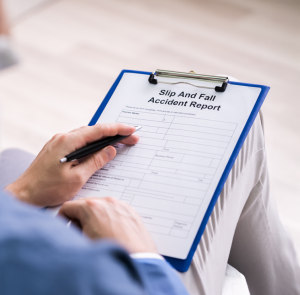
- Incident reports
- Medical documentation
- Maintenance records
Photographs are particularly valuable because they may capture unsafe conditions before repairs are made. Medical records are also essential because they help connect the injuries directly to the accident.
Can Surveillance Footage Affect Liability Claims?
Many commercial properties use security cameras throughout stores, parking lots, hallways, and entrances. Surveillance footage can play a major role in premises liability claims because it may show how the accident happened and whether the dangerous condition existed beforehand.
Video evidence may help establish how long a hazard remained unaddressed and whether employees attempted to correct the problem. In some cases, footage may also confirm that warning signs were missing or improperly placed.
However, businesses do not always preserve surveillance footage for long periods. Some systems automatically overwrite recordings within days or weeks. This is one reason why acting quickly after an accident can be important.
Do Warning Signs Automatically Protect Property Owners?
Property owners often argue that warning signs eliminate liability after an accident. While warning signs can help reduce risk, they do not automatically protect a business or property owner from responsibility.
Courts may consider whether the warning was clearly visible, whether it adequately described the danger, and whether additional safety measures were necessary under the circumstances. For example, a small sign placed near a major spill may not always be enough if the hazardous condition remained extremely dangerous to visitors.
The effectiveness of a warning often depends on the specific facts surrounding the accident.
Can Property Owners Be Liable for Criminal Activity?
Some premises liability cases involve injuries caused by criminal acts occurring on the property. In certain situations, property owners may be responsible if they failed to provide reasonable security measures in areas where criminal activity was foreseeable.
These claims are often referred to as negligent security cases. Poor lighting, broken locks, inadequate security staffing, or lack of surveillance cameras may contribute to unsafe conditions in apartment complexes, hotels, parking garages, and shopping centers.
How Can Unsafe Rideshare Pickup Areas Create Liability?
Premises liability issues sometimes overlap with transportation accidents. Unsafe rideshare pickup and drop-off zones may contribute to injuries involving pedestrians or passengers entering and exiting vehicles.
Poor lighting, damaged sidewalks, unsafe traffic flow, or poorly maintained walkways near pickup areas can increase the risk of accidents. Additional information regarding rideshare-related injury claims can also be found through this rideshare accident resource.
What Should Injury Victims Do After a Premises Liability Accident?
The actions taken immediately after an accident can significantly affect both medical recovery and any future legal claim. Seeking prompt medical attention is one of the most important steps because injuries may worsen over time, even if symptoms initially appear minor.
Injury victims should also report the incident to management, take photographs of the scene if possible, collect witness contact information, and keep copies of medical records and receipts. Avoiding detailed discussions with insurance adjusters before understanding the full extent of the injuries may also be important.
How Can Legal Guidance Help in Premises Liability Cases?
Premises liability claims often involve complex disputes regarding negligence, evidence preservation, and insurance coverage. Legal professionals may investigate accident reports, maintenance records, surveillance footage, and witness statements to determine whether the property owner failed to maintain safe conditions.
Additional legal information and resources may also be available through this legal information platform and RCK Law Firm.
Key Takeaways
- Property owners often dispute injury claims to reduce financial responsibility.
- Lack of notice and comparative negligence are common defenses in premises liability cases.
- Evidence collection is important because hazards may be repaired quickly after an accident.
- Surveillance footage, photographs, and maintenance records can strengthen liability claims.
- Warning signs do not automatically eliminate responsibility for unsafe conditions.
- Premises liability claims may involve slip and falls, negligent security, or unsafe rideshare pickup areas.
FAQ
What is premises liability?
Premises liability refers to the legal responsibility property owners have to maintain reasonably safe conditions for visitors and guests.
How do property owners avoid liability after an accident?
Property owners may argue they were unaware of the hazard, that warning signs existed, or that the injured person contributed to the accident.
What evidence is important in a premises liability claim?
Photographs, surveillance footage, witness statements, maintenance records, and medical records are often important forms of evidence.
Can I still recover compensation if I was partially at fault?
In many states, compensation may still be available under comparative negligence laws, although the amount could be reduced.
Are businesses responsible for injuries in parking lots?
Potentially, yes. Businesses or property owners may be liable if unsafe parking lot conditions contributed to the injury.
How long do premises liability cases usually take?
The timeline varies depending on the severity of injuries, insurance disputes, and whether the case settles or proceeds to litigation.